Biohazard Cleanup
Blood, sewage, sharps and other biohazards removed and disinfected by cleanup crews in protective gear.
Learn more →Washington · Pierce County
Found a biohazard problem in Longbranch, WA? Call (877) 812-4220 and describe what happened. You get biohazard removal, decontamination and odor control, and the steps and the cost range are explained once the details are known.
If anyone is in danger, call 911 first. For a suicide crisis, call or text 988.
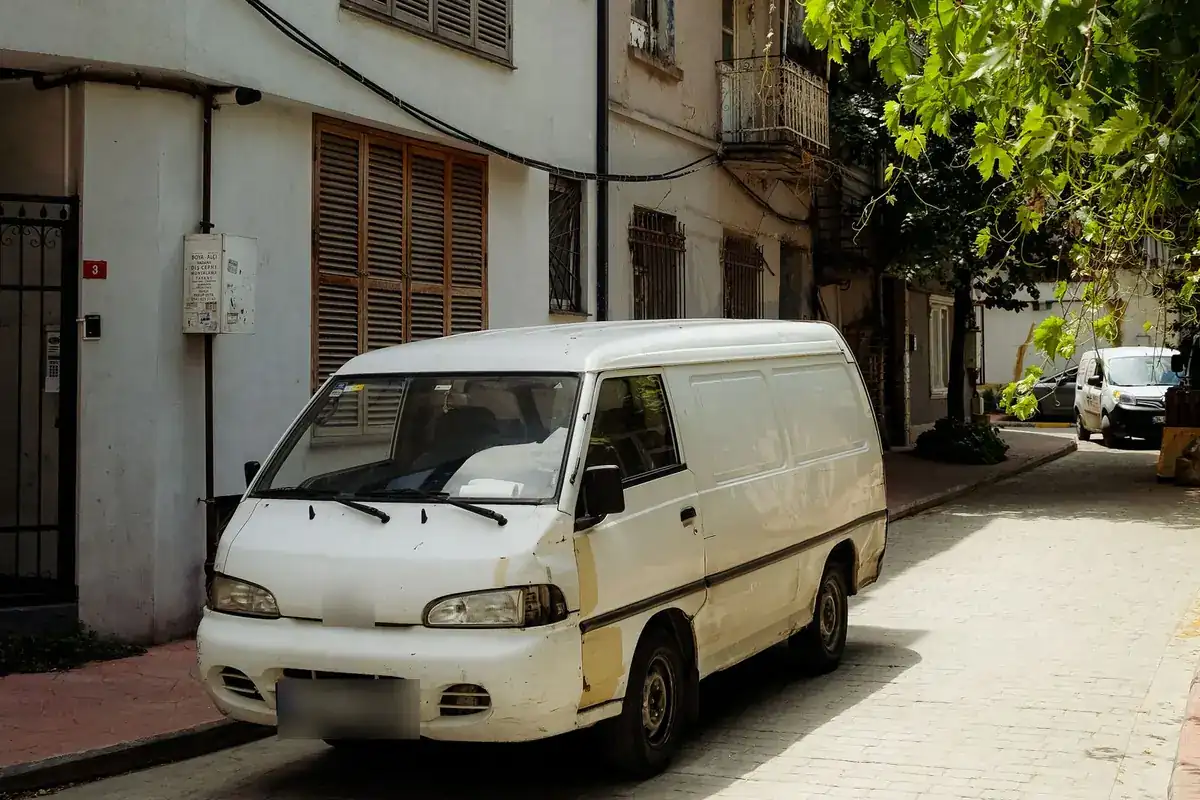
When a death, an assault or a sudden illness leaves blood or bodily fluids behind, ordinary cleaning is not enough. Biohazard cleaning services in Longbranch remove the contamination itself, not just the stain, and you can call Longbranch Biohazard Cleanup Help to get started.
Every job follows the same order. Assess the area, contain it, remove contaminated and hazardous materials, disinfect, treat odor and dispose of the waste under the rules. Crews are available 24/7 in Longbranch and throughout Pierce County.
Older adults make up about 27% of residents in Longbranch, above the Washington average, so families here more often face estate cleanouts and death cleanup after a loved one passes. With roughly 4,638 residents, Longbranch is a small community, and biohazard cleanup is available here the same way it is in a big city.
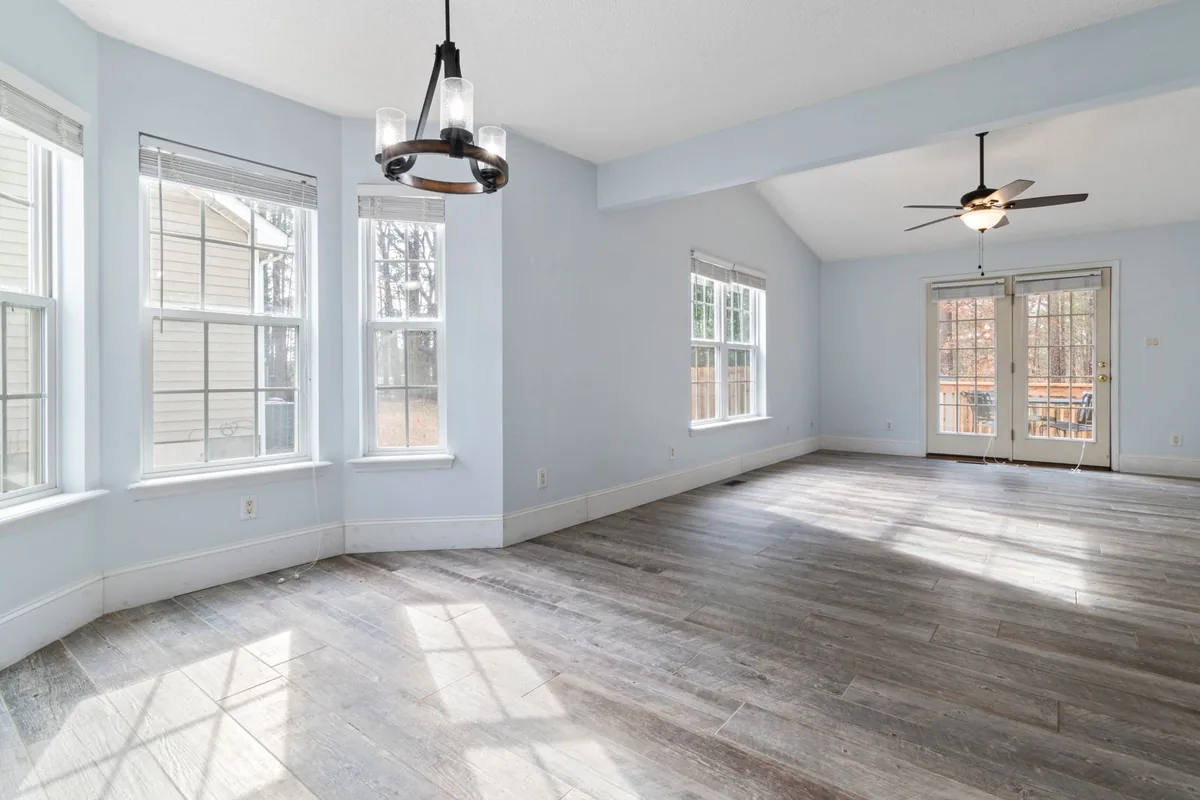
Household gloves and a spray bottle do not meet the standard for infectious materials. Biohazard decontamination follows 29 CFR 1910.1030, which sets rules for protective equipment, handling and disposal when blood or other potentially infectious materials are present.
Odor is treated at its source, not covered up. HEPA filtration, hydroxyl generators and ozone treatment work on the air and on the surfaces, and ATP testing can show whether the cleaned area meets the standard before the property is released.
Looking for something specific? Each card below is a separate biohazard cleanup service for Longbranch, with its own page on process, safety and what to expect.
Blood, sewage, sharps and other biohazards removed and disinfected by cleanup crews in protective gear.
Learn more →Discreet forensic cleaning for homes, rentals, businesses and vehicles, with odor removal and waste disposal.
Learn more →Discreet trauma cleaning that covers waste disposal, odor removal and records for insurers.
Learn more →Respectful biohazard cleanup for homes and rentals after an unattended death.
Learn more →Gentle, discreet cleaning and disinfection of a home or rental after a death by suicide.
Learn more →Homicide cleaners remove contaminated materials, disinfect every affected surface and prepare records for insurers.
Learn more →Blood in cars, vans and rideshare vehicles cleaned from seats, mats and panels, then disinfected.
Learn more →Bodily fluid cleanup for blood, vomit, urine and feces, with disinfection and safe waste disposal.
Learn more →Commercial feces cleanup and urine odor control for restrooms, shops, schools and care sites.
Learn more →Removes soaked materials, disinfects and neutralizes odor in homes, rentals and vehicles.
Learn more →Hoarding cleanup done at the resident's pace, with valuables and papers kept safe.
Learn more →Hoarding junk removal that protects valuables and papers before anything leaves the home.
Learn more →Ammonia odor, urine and feces cleaned from floors, walls and air after animals are removed.
Learn more →Squalor cleanup that removes filth, waste and spoiled food, then scrubs and disinfects every room.
Learn more →Category 3 cleanup with protective gear, sealed disposal and EPA-registered disinfectants.
Learn more →Biohazard decontamination after outbreaks, with protective gear, set order of work and sealed disposal of waste.
Learn more →Surfaces cleaned, disinfected and checked so a contaminated room or vehicle is safe to use again.
Learn more →Safe collection of used needles, syringes and contaminated supplies, with proper containers and transport.
Learn more →Safe syringe pickup for places where children, pets or customers could be at risk.
Learn more →Safe removal of sharps and drug use items, with disinfection and odor treatment afterward.
Learn more →Meth house cleaning for owners, landlords and buyers, including vents, walls, floors and soft materials.
Learn more →Decontamination for rentals, motels, offices and vehicles after drug incidents and responder visits.
Learn more →Toxic waste cleanup that identifies the substance, cleans affected surfaces and follows disposal rules.
Learn more →Cleanup that begins once responders clear the scene, with records for insurers, owners and inspectors.
Learn more →Pepper spray cleanup that lifts oily residue from surfaces without spreading it to clean rooms.
Learn more →Rodent infestation cleanup after pest control, with odor removal and sanitizing of the affected area.
Learn more →Removal of insulation soaked with guano, plus odor treatment and sanitizing of the structure.
Learn more →Dead animal odor removal that targets the source of the smell, not just the air.
Learn more →Biohazard car cleaning for blood, vomit and body fluids, with disinfection and safe waste disposal.
Learn more →Accident scene cleanup for homes, stores, offices and vehicles, handled quietly with protective gear.
Learn more →Biohazard cleaning for commercial and industrial sites, from restrooms and break rooms to warehouse floors.
Learn more →House cleanout and hauling for estates, landlords and out-of-town families after a loss.
Learn more →A technician looks for every source of contamination, including areas the eye misses, such as under flooring and inside vents. The type of biohazard sets the method.
The affected area is sealed off with plastic sheeting and air filtration so contaminants and odor cannot spread. Technicians put on PPE before they enter.
Crews in protective gear remove contaminated materials, clean every surface and disinfect with EPA-registered products. Waste is sealed and carried out as regulated medical waste.
Odor and surface checks confirm the result, then biohazard waste is removed from the property under medical waste rules.
A final inspection, with odor and surface checks where they help, confirms the area is safe before the cleanup is called complete.
Hoarded homes, neglected rentals and difficult situations are treated with dignity. The only goal is a safe, clean space again.
Cleanup technicians know families may be grieving. They keep conversations short, kind and free of judgment, and they treat belongings with care.
Property managers get clear records, quick coordination on access and a cleaned unit ready for repairs and the next tenant.
Biohazard cleanup in Longbranch, WA typically costs $500 to $25,000, depending on the type of biohazard, the size of the affected area and how far fluids soaked into porous materials.
Most residential jobs cost $3,000 to $5,000 (Fixr). The main price drivers are the area affected, the number of porous materials removed, the amount of odor treatment needed and the cost of regulated waste disposal. A small spill sits at one end and a hoarder house or unattended death at the other.
| Type of job | Typical range |
|---|---|
| Blood spill cleanup, small area | $500 - $2,500 |
| Crime scene cleanup, most homes | $1,500 - $7,500 |
| Unattended death cleanup | $2,000 - $7,000 |
| Suicide cleanup | $1,500 - $5,500 |
| Sewage cleanup, most homes | $2,000 - $10,000 |
| Hoarding cleanup, level 3 home | $2,000 - $5,000 |
| Meth lab cleanup, typical | $15,000 - $20,000 |
Estimates only, not a quote. Sources: Fixr, Yelp Costs, BioCleaners Directory, PushLeads, Dropcurb, Bob Vila and cleanup company cost guides. Call (877) 812-4220 to talk through the job.
An average July high of 76 degrees in Longbranch speeds up decomposition after a death. The sooner the scene is released and cleaned, the less the odor and fluids spread.
Homes, churches and businesses may need infectious disease disinfection, needle and sharps cleanup, or meth lab and fentanyl decontamination after a property is released.
About 42% of homes in Pierce County were built before 1980, and older carpet, subfloor and trim hold fluids deeper, which can mean more material to remove.
With renters in about 35% of homes in Pierce County, landlords and property managers often call about tenant deaths, abandoned units and unsafe conditions that need biohazard cleaning.
Cars, trucks and work vehicles can carry biohazards after an accident, assault or medical event. Vehicle cleanup removes contaminated upholstery and disinfects every surface and vent.
Offices, shops, churches and other public spaces may need cleanup after an injury, illness outbreak or break-in. The work is planned around staff, customers and reopening dates.
Understanding the type and size of a biohazard helps owners know what to expect. Small, contained jobs move fast, while large or hidden contamination takes longer and calls for more removal.
OSHA's Bloodborne Pathogens Standard, 29 CFR 1910.1030, sets rules for protective equipment, handling, training and disposal when workers face blood or other potentially infectious materials. Biohazard cleanup crews follow it on every job.
Symptoms such as stomach pain, vomiting and diarrhea can begin within a few hours to a few days after contact with raw sewage, depending on the germ. Sewage is a Category 3 biohazard, so it should be cleaned by a crew wearing protective gear, and anyone with symptoms should see a doctor.
Call 911 if anyone is in danger. Keep everyone out of the affected area, do not clean anything, and wait for law enforcement to release the scene. Then call your insurance company and a biohazard cleaning company to plan the cleanup.
Yes. Raw sewage is treated as Category 3 water because it can carry bacteria such as E. coli, viruses and parasites. Porous materials it touches usually must be removed, and the rest is cleaned and disinfected.
The body is removed by a funeral home or the authorities. Cleaning the room afterwards is not their job; the family, landlord or estate hires biohazard cleaners for death cleanup, decomposition removal and odor removal.
Only what cannot be made safe. Porous items such as carpet, padding, mattresses and upholstered furniture that soaked up fluids are usually removed. Hard surfaces and many belongings can be cleaned and disinfected instead.
It can. Pierce County has a Relatively High river flood risk rating from FEMA. Wherever floodwater or a sewer backup enters a home, the water is treated as Category 3 and needs full cleaning and disinfection.
The nearest emergency room is Providence St Peter Hospital in Olympia, about 9 miles from Longbranch. In any emergency, call 911 first. Cleanup waits until people are safe.
Tacoma is the Pierce County seat, and you can get help there along with Longbranch, Home and Fox Island. Call Longbranch Biohazard Cleanup Help at (877) 812-4220 to ask about a property in any of these towns.
Call (877) 812-4220 day or night and a cleanup specialist will answer.
Call (877) 812-4220